- The SAFE Leader Insights by Mark McBride-Wright
- Posts
- Core Principles for the Future of Safety
Core Principles for the Future of Safety
Why Three Simple Principles Could Reshape How We Think About Safety

Mark McBride-Wright
August 25, 2025
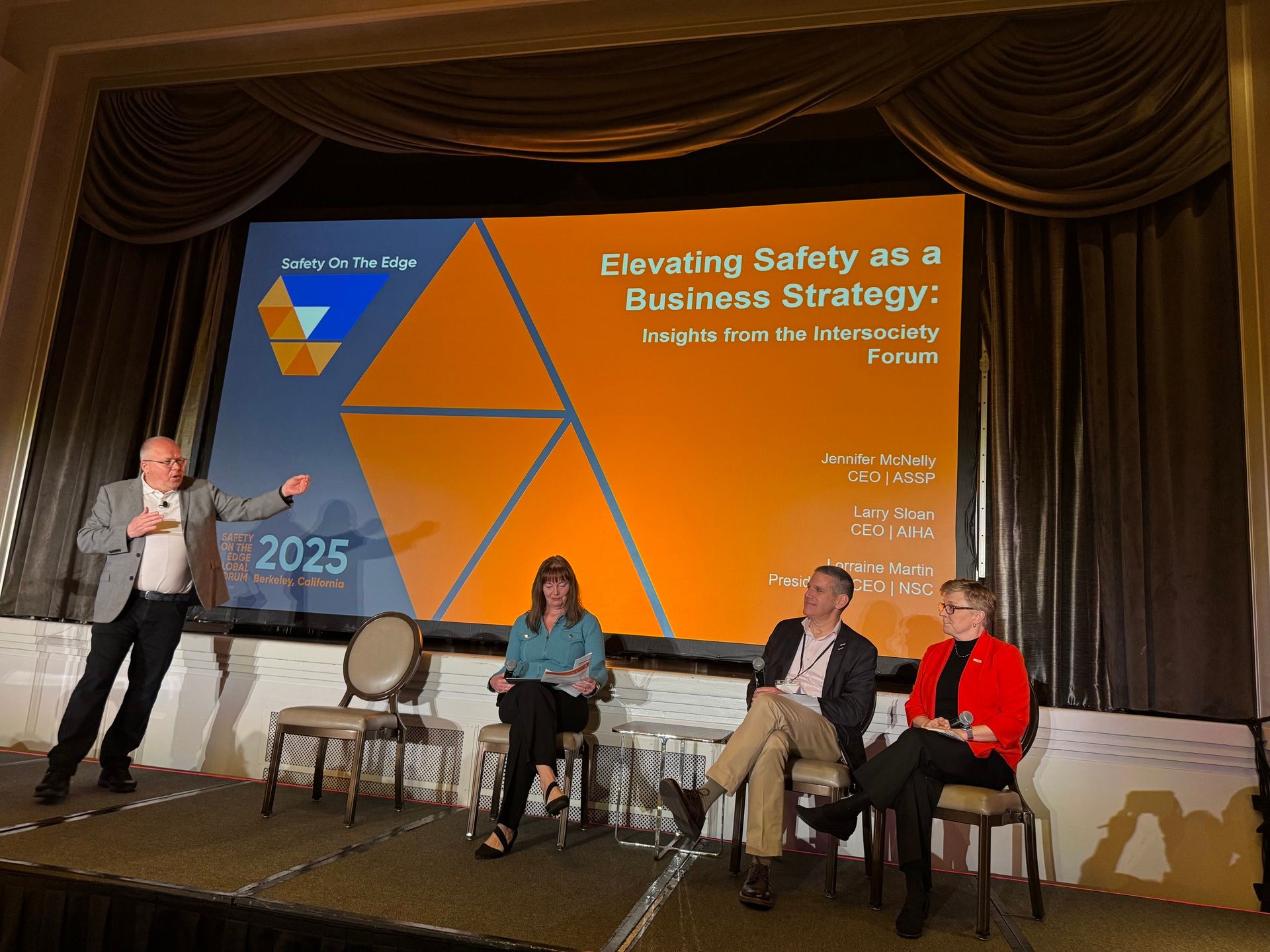
Earlier in May, I was at the Safety on the Edge conference in California. Among the many sessions I attended, one that really stayed with me was a panel featuring Jennifer McNelly (ASSP), Larry Sloan (AIHA), and Lorraine Martin (NSC).
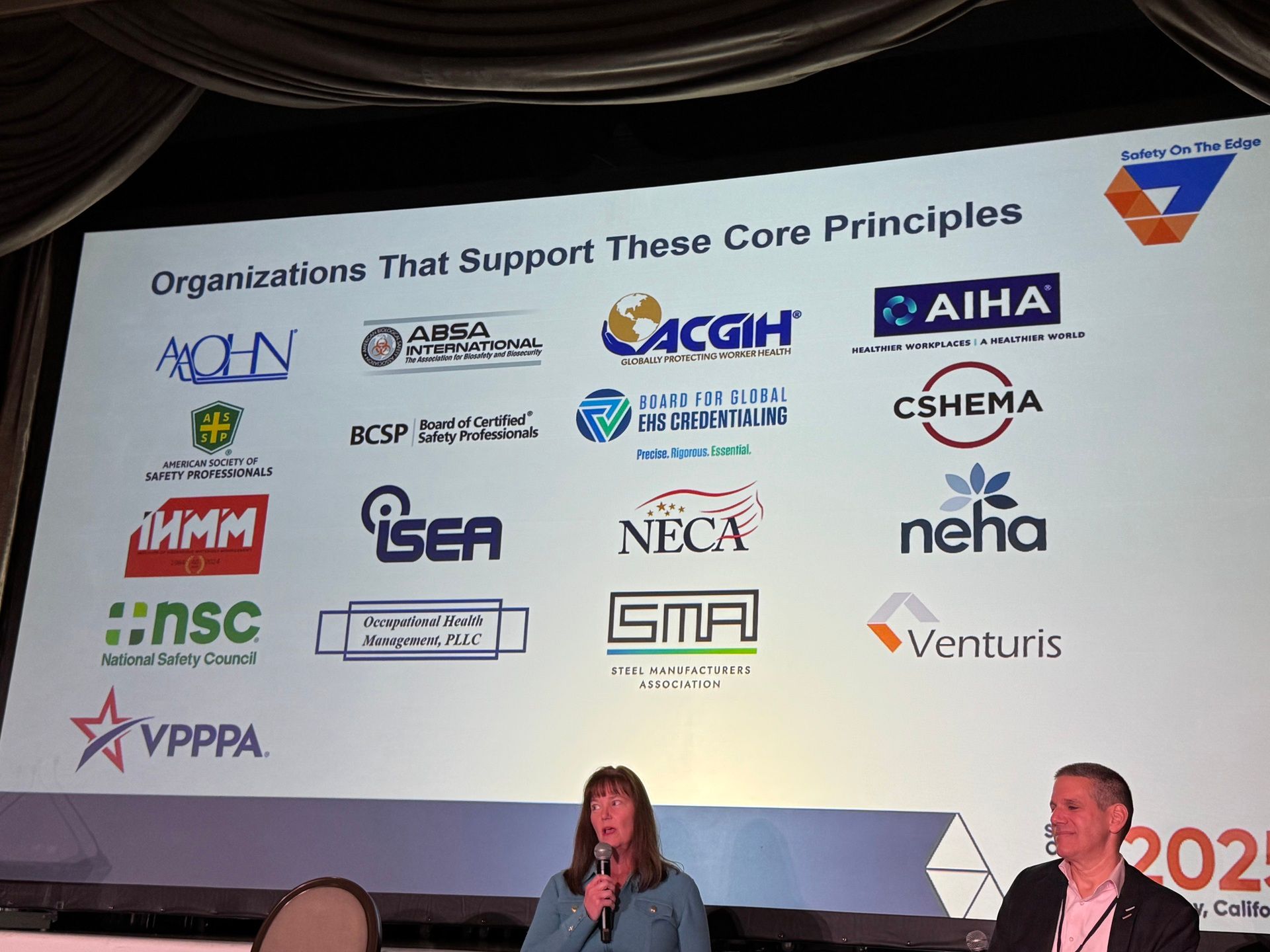
They were speaking about the Intersociety Forum, a group of safety association leaders who meet to share, align, and avoid duplicating effort. What’s fascinating is that it’s not a formal body; as Jennifer put it, it’s “a coalition of the willing.” The CEOs from these organisations come together because they care about people, and because they believe we can go further, faster, if we unite our efforts.
From these conversations, the group have produced something they’re calling the Core Principles for Safety. Three simple ideas that they believe should underpin the future of our profession.
The Three Core Principles
1. Business-driven standards and worker wellbeing
Jennifer explained that boards have a responsibility not just for numbers, but for direction.
The focus is on numbers, not people. Let’s flip that equation, because without the people, we have no numbers.
I found that line powerful. It’s a reminder that people aren’t simply an input into productivity, they are the whole reason an organisation exists. If you don’t embed wellbeing into governance and practice, you’re missing the point.
2. Beyond compliance
Larry Sloan focused on the second principle, which is about going further than the law requires.
You’re not going to trip and fall immediately when you develop cancer or hearing loss. The challenge is convincing business leaders that what we invest in today pays off 10 or 20 years down the road.
That’s a difficult message in quarterly-driven boardrooms. But the truth is clear: compliance may keep you legally safe, but it won’t keep your people safe.
3. Leading indicators for predictive insights
Lorraine Martin spoke about the need to measure what really matters:
What we track today tells us what happened. Leading indicators tell us what might happen.
She gave the example of changing what gets reported to boards: if lagging indicators are still required, fine, but put them at the bottom of the page, and lead with the measures that actually show whether the environment is safe. It’s a small shift in presentation, but one that reframes the whole conversation.
Why This Resonated With Me
What really struck me was how often the panellists came back to the same theme: simplicity.
Fatality rates are flat. We’ve been measuring the wrong things, and we can’t keep doing the same and expect different results.
I also appreciated their honesty about the challenges.
Sometimes we’re our own worst enemy… there’s a lot of ego, and people think they know better than the data.
We will not all be safe until everyone is safe.
For me, that’s the heart of it. If safety can’t be made accessible to the five-person construction company in San Jose, or in Surrey, or Sunderland, then we haven’t done our job.
My Reflections
Listening to these three leaders, I felt both challenged and encouraged. Challenged because they held up a mirror to some of our profession’s blind spots: our obsession with lagging metrics, our fixation on compliance, our tendency to make things more complex than they need to be. But encouraged because there was a genuine spirit of collaboration on stage.
The quotes I’ve pulled out here weren’t just soundbites, they were reminders of what matters most. Numbers matter, but people matter more. Compliance is the floor, not the ceiling. And data is only useful if it predicts the risks we can still do something about.
A Call to Action
The call to action is bigger than just reading the Core Principles. It’s about changing the conversations in our own organisations:
Put people first, not numbers.
Don’t stop at compliance.
Measure what will keep people safe tomorrow, not just what happened yesterday.
These aren’t new ideas. But they’re a powerful reminder of what matters most. And if the biggest associations in our field can unite around them, perhaps we all can.
See Mark in Action!
Curious about Mark McBride-Wright’s journey as a speaker and DEI leader? Watch his speaker reel and discover how he’s transforming industries through safe leadership and inclusion. |  |